Your Appliances Deserve Better: The Smart Way to Store Refrigerators, Washers, Dryers, and More
Large household appliances represent a significant investment, so storing them correctly is just as important as choosing the right storage unit. Improper preparation can lead to mold, unpleasant odors, rust, damaged electrical components, or even pest issues that shorten an appliance's lifespan. Fortunately, with a little planning, you can keep refrigerators, washing machines, dryers, dishwashers, and other appliances in excellent condition until you need them again.
Stor-N-Lock offers convenient storage throughout several western states, making it easier to protect valuable household items close to home. If you're comparing locations, explore:
- Storage options in California
- Storage options in Colorado
- Storage options in Idaho
- Storage options in Utah
Every state served by Stor-N-Lock offers unique opportunities for homeowners and outdoor enthusiasts alike. Whether you're making room for home improvements before exploring California's state parks, preparing your home while enjoying Colorado's mountain trails, organizing your garage before a weekend at Idaho's lakes, or freeing up living space for adventures in Utah's national parks, a properly stored appliance remains protected until it's needed again.
Key Points for Readers Short on Time
- Clean every appliance thoroughly before placing it into storage.
- Remove all moisture to prevent mold, mildew, and unpleasant odors.
- Store appliances upright whenever possible.
- Leave appliance doors slightly open to improve airflow during storage.
- Organize your storage unit so heavy appliances remain accessible without crushing smaller belongings.
Why Proper Appliance Storage Matters
Household appliances are built to last for years, but only when they're properly maintained. Long periods of storage introduce different risks than everyday household use. Dust accumulation, trapped moisture, pests, and accidental impacts during loading or unloading can all reduce the lifespan of expensive appliances. Fortunately, these problems are almost entirely preventable. Taking an extra hour or two to prepare each appliance before storage helps protect mechanical parts, electrical systems, rubber seals, and painted surfaces. It also makes moving your appliances back into your home much easier because they'll be clean, dry, and ready to reconnect. If you're organizing several rooms at once, it also helps to learn how to pack your storage unit right the first time. Strategic organization reduces unnecessary lifting and protects large appliances from accidental damage while maximizing every square foot of storage space.
Start With a Thorough Cleaning
One of the biggest mistakes people make is placing appliances into storage immediately after disconnecting them. Even appliances that appear clean often contain hidden moisture, food particles, detergent residue, or grease that can create long-term problems. Cleaning every appliance completely before storage protects both the appliance itself and everything else inside your storage unit. For refrigerators and freezers, remove every shelf and drawer if possible. Wash each piece with warm water and mild soap before allowing everything to dry completely. Wipe down every interior surface, paying close attention to door seals where moisture often collects.
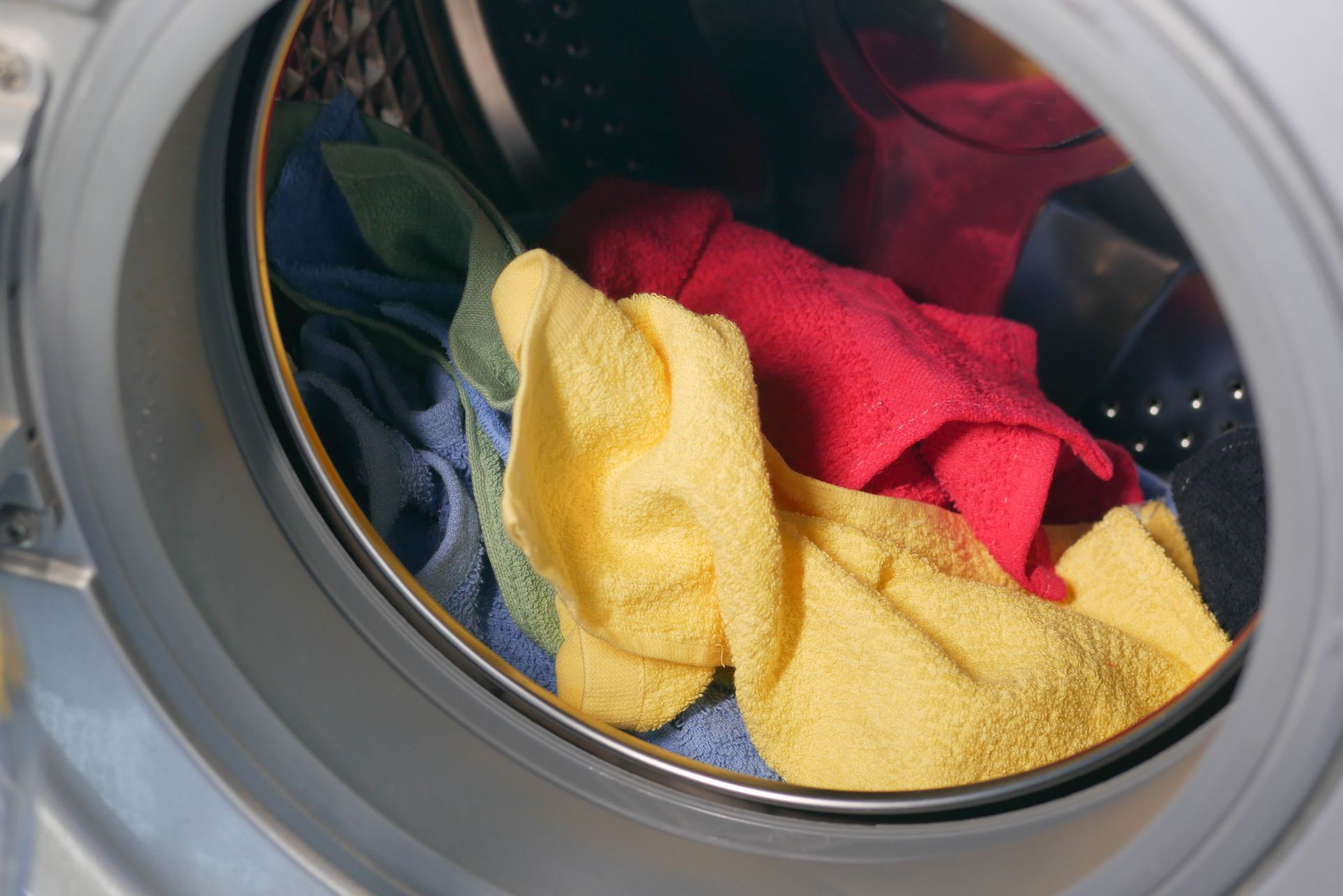
Washing machines should complete one final cleaning cycle before storage. After draining the remaining water, wipe the drum, detergent compartments, rubber gasket, and hoses until completely dry. Dryers deserve similar attention. Remove lint from the lint trap, exhaust vent, and surrounding areas. Excess lint not only attracts dust but can also trap moisture over long periods. Dishwashers should also run one final cleaning cycle before disconnecting. Empty the filter, clean the spray arms, and dry the interior thoroughly before placing the appliance into storage. Small appliances like microwaves, toaster ovens, air fryers, and coffee makers also benefit from careful cleaning. Remove crumbs, wipe away grease, and empty water reservoirs before packing.
Remove Every Drop of Moisture
Water is one of the biggest threats to stored appliances. Even a small amount of moisture trapped inside can encourage mold growth after several weeks or months. Once an appliance has been cleaned, leave it open long enough to air dry completely. This may take several hours, depending on humidity and the appliance's design. Disconnect and drain every hose attached to washing machines, dishwashers, and refrigerators with water dispensers. Shake remaining water from hoses before storing them separately in labeled plastic bags.
Ice makers deserve special attention. Empty all water lines before disconnecting the appliance. Following manufacturer recommendations for draining built-in water systems can prevent cracked components and mineral buildup. Allowing appliances to dry completely is one of the simplest steps you can take, yet it has one of the biggest impacts on long-term preservation.
Store Appliances Upright Whenever Possible
Many appliances contain compressors, sealed refrigeration systems, motors, or suspension components that are designed to remain upright. Refrigerators and freezers are especially sensitive. Lying them flat can allow compressor oil to move into cooling lines where it does not belong. Although some manufacturers provide specific moving instructions, storing refrigerators upright remains the safest long-term option. Washers and dryers should also stay upright whenever possible. Their internal drums and support systems are designed for vertical positioning. Keeping appliances upright reduces unnecessary strain on mechanical components. If an appliance must briefly travel on its side during transportation, allow it to remain upright for the amount of time recommended by the manufacturer before plugging it back in.
Protect Cords, Shelves, and Small Parts
Power cords are surprisingly easy to damage during storage. Rather than allowing them to hang loosely, coil them neatly and secure them with reusable hook and loop straps or soft ties. Avoid wrapping cords tightly around appliances because this can place unnecessary stress on the wiring. Many refrigerators contain removable glass shelves and drawers. Instead of leaving these pieces inside where they may shift during transportation, wrap each component individually using moving blankets or packing paper. The same applies to dishwasher racks, washing machine hoses, microwave turntables, and any removable accessories. Labeling small parts makes reassembly much easier months later. These extra steps may seem minor while packing, but they can save significant time and money when setting your appliances back up.
Leave Appliance Doors Slightly Open
Keeping appliance doors completely shut during long-term storage can trap moisture inside, even after careful cleaning. Instead, leave refrigerator, freezer, washer, and dishwasher doors slightly open. Many appliance manufacturers actually recommend this practice because it improves airflow and helps prevent mildew and unpleasant odors from developing. If necessary, use a soft towel or purpose-made door spacer to keep the door cracked open without placing excessive pressure on the hinges. This small adjustment helps preserve rubber door gaskets while keeping interior surfaces fresh throughout the storage period.
Choose the Right Storage Unit Layout
Once appliances are prepared, think carefully about how they'll be positioned inside the storage unit. Large appliances should rest against the walls whenever practical, while maintaining a small amount of clearance for airflow. Avoid stacking heavy boxes directly on top of appliances because unnecessary weight can dent metal surfaces or damage delicate controls.
Leave enough walking space to safely access each appliance without moving half the contents of the unit. This becomes especially valuable if you're storing multiple household items during an extended renovation. If you're also storing furniture, these same organizational principles apply. Following the recommendations in How to Store a Couch in a Storage Unit During a Move or Renovation helps create an organized storage space where both furniture and appliances remain protected without overcrowding.
When Climate Controlled Storage Is Worth Considering
Not every appliance requires climate-controlled storage, but there are situations where it provides additional peace of mind. Appliances with electronic control panels, digital displays, sensitive wiring, or rubber seals can benefit from a more consistent environment, especially during long term storage. Refrigerators with touch screens, smart ovens, wine coolers, front-loading washing machines with electronic controls, and high-end kitchen appliances are all good candidates. Stable temperatures help reduce unnecessary expansion and contraction of certain materials while also limiting excess humidity that may affect sensitive components over time.
If you're storing appliances for several months or even a year, especially newer models with advanced electronics, choosing a climate-controlled unit can help preserve their condition. While many standard appliances store perfectly well in a traditional storage unit when prepared correctly, the added protection may be worthwhile for higher-value items.
Avoid These Common Appliance Storage Mistakes
Many appliance issues that appear after storage are not caused by the storage facility itself. Instead, they result from simple preparation mistakes that could have been avoided with a little extra care. One of the most common errors is storing appliances while they are still damp. Even a small amount of leftover water inside a washing machine hose or refrigerator drip tray can lead to mildew, unpleasant odors, or corrosion over time. Another mistake is sealing appliance doors completely shut. Without airflow, moisture becomes trapped inside, creating an ideal environment for mold. Leaving doors slightly open is one of the easiest ways to prevent this problem.
People also sometimes use appliances as shelves by stacking heavy boxes on top of them. While this may seem like an efficient use of space, it can dent metal panels, damage control knobs, or place unnecessary pressure on hinges and doors. Finally, avoid wrapping appliances tightly in plastic for extended periods. Plastic sheeting can trap condensation instead of allowing the appliance to breathe. Furniture blankets or breathable covers offer better protection against dust while reducing moisture buildup.
How Long Can Appliances Stay in Storage?
When prepared correctly, most household appliances can remain in storage for many months or even years without experiencing significant problems. The key is making sure every appliance is clean, completely dry, and protected from unnecessary physical damage. If you know your appliances will remain in storage for an extended period, consider checking on them occasionally if your schedule allows. A quick inspection allows you to confirm that covers remain in place, doors are still slightly open, and nothing has shifted inside the unit. Long-term storage is often necessary during extended home renovations, military relocations, temporary work assignments, or while waiting to move into a new home. Proper preparation at the beginning makes these longer storage periods much less stressful.
Preparing Appliances for Use Again
Removing appliances from storage should be done just as carefully as placing them inside. Begin by inspecting the exterior for dust, signs of moisture, or pest activity. Wipe down surfaces before moving the appliance into your home. Reconnect removable shelves, hoses, and accessories that were stored separately. Inspect electrical cords for any visible wear before plugging the appliance back in. Refrigerators deserve special attention. If the appliance was transported on its side during the move out of storage, allow it to stand upright according to the manufacturer's recommendations before turning it on. This gives compressor oil enough time to settle properly.
Washers, dishwashers, and refrigerators with water connections should also receive fresh water lines if the existing ones show signs of wear. Replacing inexpensive hoses now can help prevent costly leaks later. Finally, run a cleaning cycle or wipe down the appliance once more before regular use. This removes any dust that may have accumulated during storage and helps ensure everything is operating as expected.
Simple Packing Supplies That Make a Big Difference
Preparing appliances for storage does not require expensive specialty equipment. In most cases, a handful of quality moving supplies will provide excellent protection. Helpful supplies include moving blankets, microfiber cloths, packing tape for securing loose components, furniture pads, reusable cable ties, and sturdy boxes for removable shelves or accessories. Plastic bags with labels are useful for storing screws, hoses, manuals, and small hardware that might otherwise become separated. A furniture dolly or appliance hand truck can also make loading safer by reducing unnecessary lifting and lowering the risk of accidental damage. Investing in these basic supplies is often much less expensive than repairing dents, replacing broken shelves, or fixing damaged electrical components later.
Protect Your Investment With Smart Storage Habits
Household appliances are designed to serve your home for many years, but proper storage plays an important role in helping them reach that lifespan. Taking time to clean, dry, organize, and position each appliance correctly helps prevent many of the problems people encounter after months in storage. From refrigerators and freezers to washers, dryers, dishwashers, microwaves, and other household essentials, every appliance benefits from careful preparation before entering storage. The process may take a little extra time, but it protects both your investment and the convenience of having appliances that are ready to use when you need them again. Stor-N-Lock provides storage solutions throughout the western United States, making it easier to keep household belongings organized while protecting valuable appliances. You can learn more about available locations here:
- Storage options in California
- Storage options in Colorado
- Storage options in Idaho
- Storage options in Utah
Communities throughout these states enjoy countless opportunities to spend time outdoors, from hiking and boating to camping and exploring national and state parks. Resources like the
National Park Service provide trip planning information for parks across California, Colorado, Utah, and Idaho, while
America's State Parks offers guides to state parks and recreational areas throughout the country. Keeping large appliances safely stored can help free up valuable space at home while you focus on enjoying everything these regions have to offer.