The 5 Pros and Cons of Living in Boise, Idaho
Boise, Idaho, sits tucked against the foothills at the edge of the high desert, a city that somehow balances outdoor adventure with a growing urban center. The city has attracted thousands of newcomers each year who come looking for a lower cost of living, mountain access, and a lifestyle that feels less frantic than life in Seattle or Portland. It's a place of contradictions: politically conservative but culturally creative, affordable yet increasingly competitive, sunny yet prone to unpredictable weather.
Life here can be rewarding, but it's not for everyone. Some love the access to trails and rivers, others struggle with the limited public transit and sprawling development. The Boise metropolitan area grew by nearly 25% over the past decade, bringing both energy and growing pains. Here's what to expect when moving to Boise.
Pros of Living in Boise
1. The Scenery Is Ridiculous
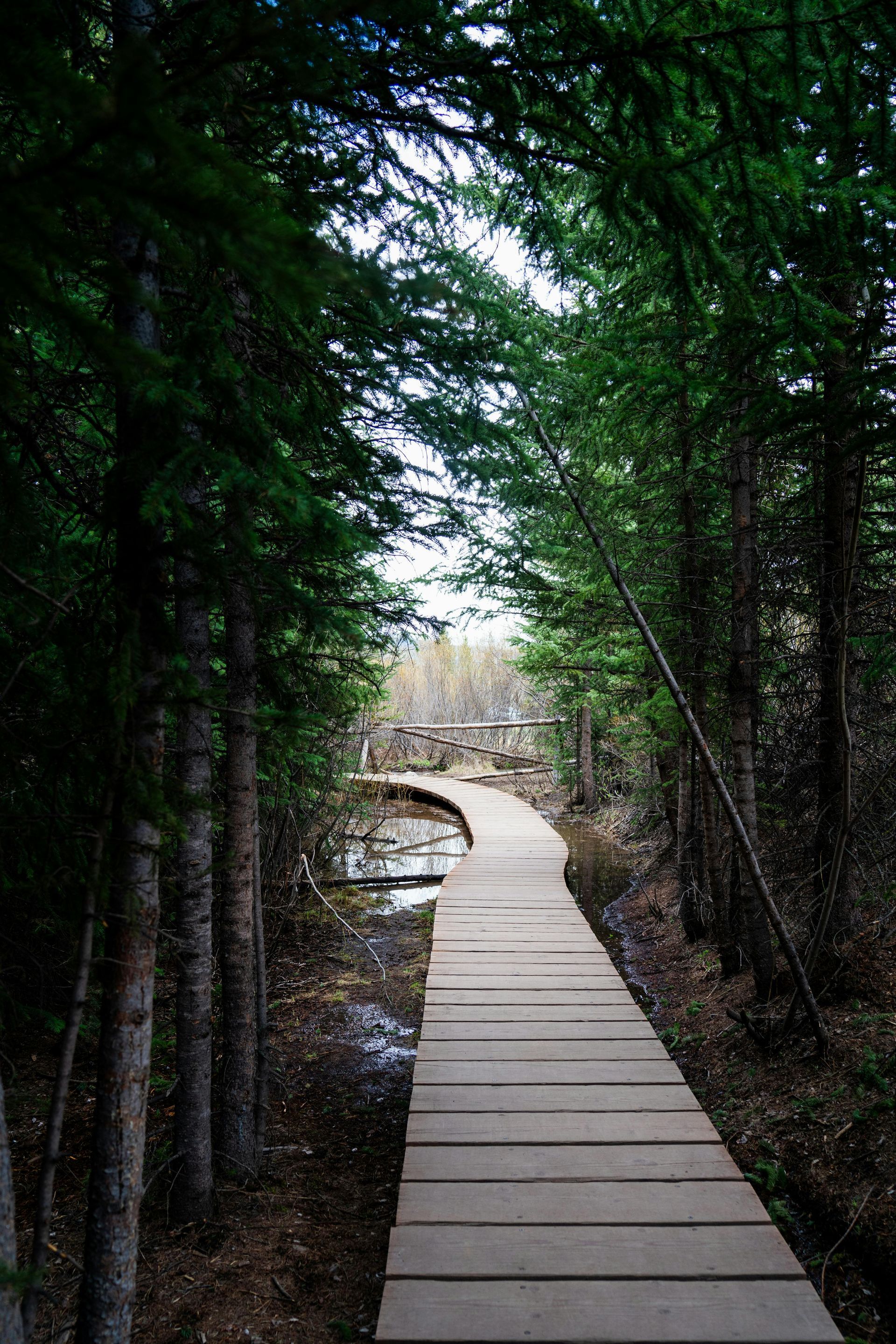
The Boise Foothills rise dramatically just north of downtown, offering immediate access to trails that make you forget you're living in a city of nearly 240,000 people. You can finish work and be hiking at sunset without ever getting on a highway. The 25-mile Boise River Greenbelt connects over 850 acres of parks and natural areas along the river, providing a paved pathway for cyclists, runners, and walkers year-round. Wildlife sightings include songbirds, ducks, Canada geese, great blue heron, and in winter, bald eagles.
Beyond the Greenbelt, foothills trails like Hill Road, Cartwright Road, and Dry Creek Road offer challenging climbs and technical descents for mountain bikers and trail runners. The Boise River itself is popular for kayaking and paddleboarding during warmer months. Parks along the Greenbelt, including Julia Davis Park, Ann Morrison Park, and Kathryn Albertson Park, offer spaces for picnics, concerts, and community events. On a clear day, you can see the Sawtooth Mountains from certain vantage points in the city. For many residents, the access to outdoor recreation is the single biggest reason they moved here and the reason they stay.
2. Sunshine, Festivals, and a Growing Food Scene
Boise gets more than 206 sunny days every year, which is well above the national average. July brings up to 13.3 hours of daily sunshine, while even December offers some bright winter days despite shorter daylight hours. The high desert climate means summers are hot and dry, winters are cold but manageable, and you can count on blue skies most of the year. That sunshine supports a vibrant outdoor culture, from farmers markets to summer concerts to weekend bike rides through the North End.
The food scene has grown considerably in recent years, with Boise's dining culture now holding its own against bigger Northwest cities like Portland or Seattle. Restaurants focus on fresh Idaho ingredients and farm-to-table concepts, while the craft brewery scene has gained national attention with locally sourced pub fare and award-winning beers. Downtown features numerous breweries, distilleries, and chef-driven eateries that have elevated Boise's reputation as a food destination. Festivals and community events happen year-round, including the Idaho Shakespeare Festival during summer, which appeals to culture buffs and families alike.
3. Job Growth and Opportunity
Boise's job market has remained strong even as other parts of the country have faced economic uncertainty. The unemployment rate in Ada County was 3.1% as of November 2025, indicating a healthy job market with opportunities for workers. Between 2023 and 2024, Boise led employment growth among Idaho metropolitan areas at 2.5%, adding 9,800 jobs. Major employers include Micron Technology, HP Inc., Clearwater Analytics, St. Luke's Health System, Saint Alphonsus Health System, Albertsons Companies, and WinCo Foods.
4. Cost of Living Beats Other Western Cities
Compared to cities like Seattle, Portland, Spokane, or Salt Lake City, Boise still offers better value, even though prices have risen considerably in recent years. The median home price in Boise was $545,000 as of late 2025, with some variation depending on the source and timing. For renters, the average rent for an apartment in Boise is $1,662, with studios at $1,364, one-bedrooms at $1,479, two-bedrooms at $1,704, and three-bedrooms at $1,894.
The overall cost of living index for Boise sits at 102, meaning it's slightly above the national average but still far lower than many Western cities. Most families need to earn $90,000 to $120,000 or more to live comfortably and own a home in the Treasure Valley. That said, Boise remains accessible for those willing to make trade-offs, such as living in nearby communities like Meridian, Nampa, or Caldwell where housing is more affordable. For people moving from California, Washington, or Oregon, the sticker shock often works in reverse: homes that feel expensive by Idaho standards can seem like a bargain compared to what they left behind.
5. People and Community
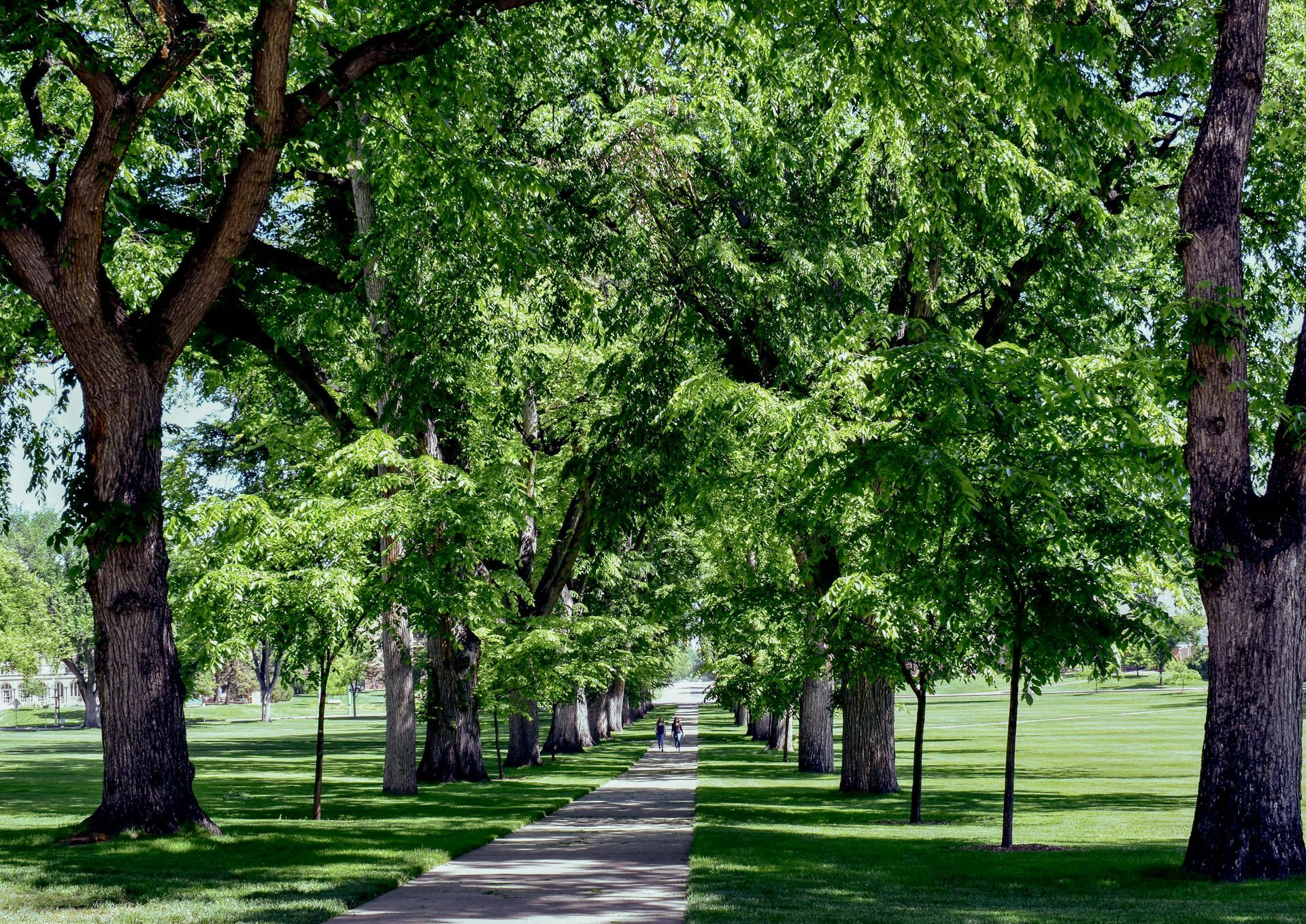
Boise has a reputation for friendliness and community involvement, a characteristic that many newcomers notice right away. Neighborhoods like Hyde Park in the North End are known for their tree-lined streets, historic homes, and local businesses that foster a sense of connection. Hyde Park itself is a hub for cyclists and mountain bikers who frequent the trails in the Boise Foothills. The East End neighborhood near Warm Springs Avenue traces its roots to the late 1800s and features homes that were among the first in the world to use geothermal heating. West Boise offers a more suburban lifestyle with quieter neighborhoods and access to city amenities without the density of downtown.
The city has become more diverse over the past decade, with the number of Black Ada County residents jumping 85% and Hispanic residents increasing by 62.1%. Ada County's overall population jumped 26.2%, while the number of white residents increased just 17.3%. With a diversity score of 68 out of 100, Boise is more diverse than many other U.S. cities, and diversity levels vary by neighborhood with the southeast parts of the city showing the most diversity. Community events, farmers markets, neighborhood associations, and local festivals create opportunities to connect with neighbors and feel like you're part of something beyond just living in a house. For people coming from larger, more anonymous cities, that sense of community can be a welcome change.
Cons of Living in Boise
1. The Weather Likes to Keep You Guessing
Boise's high desert climate means summers are hot, dry, and mostly clear, while winters are very cold, snowy, and partly cloudy. Temperatures typically vary from 24°F to 93°F over the course of the year, with the average high in July around 90 degrees and the average low in January dipping to about 24 degrees. But it's not the temperature extremes that frustrate people, it's the unpredictability. Spring can bring rain, snow, and sunshine all in the same week, making it hard to plan outdoor activities or know what to wear.
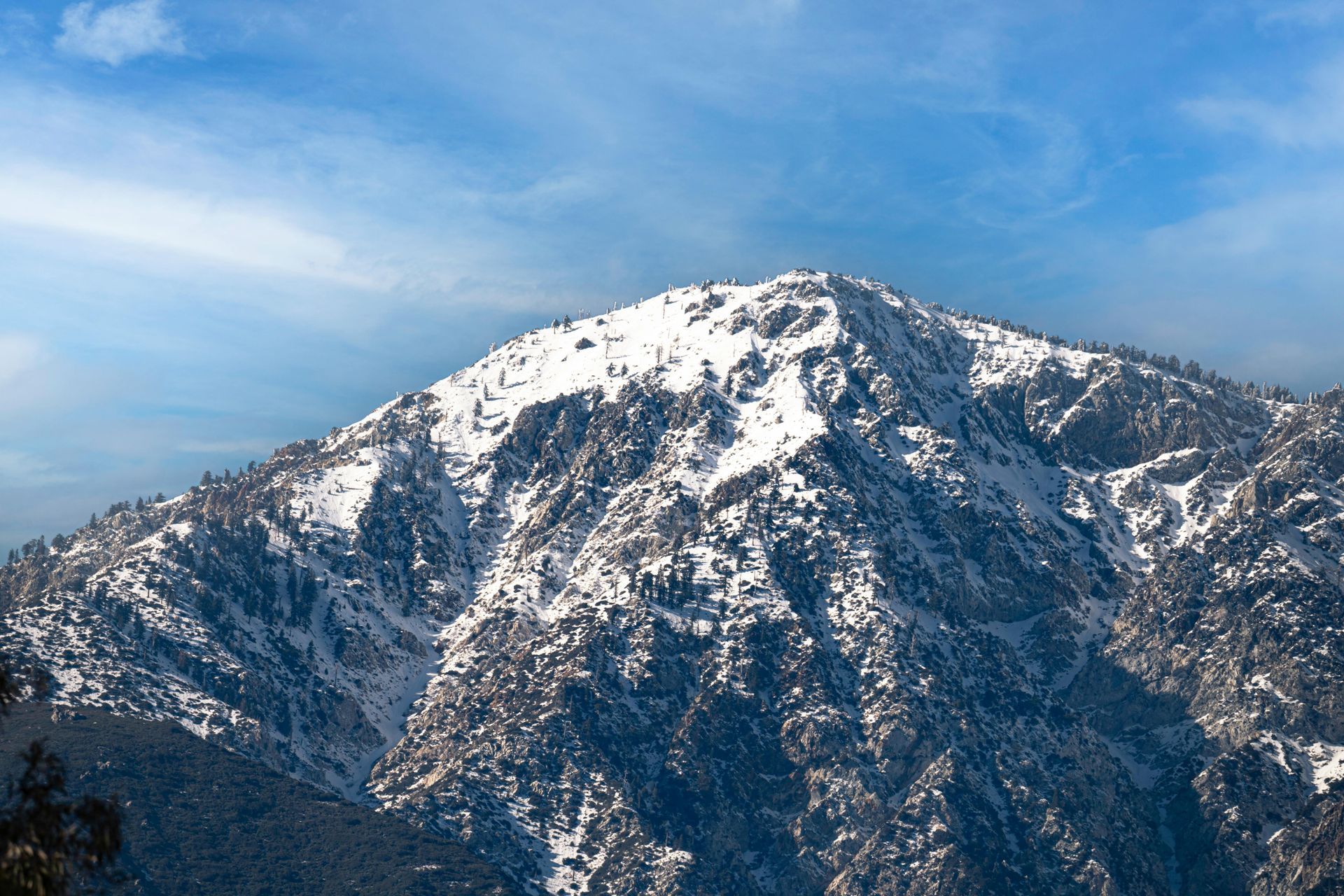
Winter snow tends to melt quickly in the city due to milder temperatures, but the surrounding foothills often remain snowcapped throughout the season. While that makes for beautiful scenery, it also means road conditions can change rapidly, especially on routes heading into the mountains. Early 2026 saw Boise dealing with a "warm snow drought," where much of the winter precipitation fell as rain instead of snow, creating concerns about water supply and reservoir levels. The variability can be charming for some, but it can also feel exhausting for those who prefer more predictable weather patterns. If you're someone who thrives on routine and consistency, Boise's weather might test your patience.
2. Housing Is Competitive
The Boise housing market cooled slightly from its pandemic-era frenzy, but competition remains real. Real estate experts describe the market as "somewhat competitive," with homes receiving an average of four offers and selling in around 37 days. Days on market vary depending on the source and timing, ranging from 8 days to 38 days, but the overall picture is clear: desirable homes still move quickly. Well-priced and well-presented homes attract buyers, and flexibility with timing and pricing is key for sellers.
For buyers, the market is becoming more favorable with increased inventory and stabilizing prices, though mortgage rates remain a significant factor in affordability. Analysis predicts home prices will decline by 0.8% in the Boise metro area in 2026, suggesting a slight shift toward a buyer's market. However, rising housing costs have raised concerns about affordability for longtime residents, especially those on fixed incomes or lower wages. The median home price of $545,000 is far beyond reach for many Idaho families, creating pressure to either rent long-term or look to neighboring communities like Nampa and Caldwell where prices are lower.
For newcomers accustomed to even higher prices elsewhere, Boise might feel affordable, but for locals who remember when homes cost half as much just a few years ago, the market feels out of reach.
3. Public Transit Is Limited
Boise is a car-dependent city, and that reality becomes obvious quickly. According to the U.S. Census' American Community Survey, 88% of daily commutes are made via car, including both single-occupant and carpool options, while 80% of drivers in Boise drive to work alone. Valley Regional Transit operates a fixed-route bus system and ACCESS paratransit service, but coverage is limited and frequency is low compared to cities with more robust transit infrastructure. The crown jewel of Boise's transportation vision is a Bus Rapid Transit system with 15-minute frequency on State Street, but that project remains aspirational for now.
Road congestion is becoming more common, especially during peak commuting hours. State Street's five lanes carry over 20,000 cars into Boise every day, and that number is increasing rapidly as the city becomes denser. Boise officials estimate that the city will see an additional 50,000 new residents in the next two decades, which would lead to an additional 200,000 new daily vehicle trips by 2040 if drivers' habits do not change. Idaho does not have a dedicated funding source for public transportation, making it difficult to expand or even maintain the existing system. For people moving from cities with reliable buses, trains, or light rail, the lack of transit options can feel isolating. If you don't own a car, Boise becomes much harder to navigate, particularly if you live outside the downtown core.
4. Growth Pains Are Real
Boise's explosive growth has reshaped the city in ways both positive and negative. The Boise metropolitan area grew by nearly 25% over the past decade, adding over 150,000 new residents and bringing the total population to around 770,000 by 2024. Once rural towns like Meridian and Eagle have grown into bustling suburban centers, while Nampa and Caldwell have seen their populations skyrocket due to more affordable housing options. This expansion has reshaped the local landscape, with farmland giving way to housing developments, shopping centers, and new schools. Infrastructure has struggled to keep pace. Roads and highways have become more congested, and local officials have had to implement transportation projects to address traffic concerns.
5. Water Scarcity Remains a Concern
Idaho's water supply has become a point of anxiety for residents and officials alike, particularly during drought years. Parts of Idaho are dealing with what water managers describe as a "warm snow drought," where much of the winter precipitation fell as rain instead of snow. The Boise Basin is experiencing particularly severe snowpack shortages, with Bad Bear snow course measuring only eight percent of normal in early January, and snow-water equivalent at Bogus Basin on Jan. 1 recording the lowest levels in 83 years.
So Should You Move to Boise?
The truth is, Boise has a way of winning people over. Even on a day when traffic on State Street feels unbearable, you will catch a view of the foothills at sunset and remember why you came. The city isn't perfect, but it offers something increasingly rare in the modern West: a balance between growth and livability, ambition and accessibility, urban energy and outdoor escape.
If you are getting ready to move to Boise, or a student looking for storage, or have recently arrived, storage can make the transition easier. STOR-N-LOCK Self Storage has four convenient locations throughout Boise, each designed to help with moving, downsizing, or simply creating extra room while you settle in. The Federal Way facility at 5888 S Federal Way serves the southeast part of the city, while the W Opohonga Street location at 5889 W Opohonga St provides easy access for residents in West Boise and nearby Meridian. The S Orchard Street facility at 1250 S Orchard St is close to downtown and the Bench neighborhood, and the West State Street location at 4400 W State St offers convenient access from State Street near Garden City.
Each facility features secure, well-maintained units with flexible lease terms and easy access, making it simple to store belongings during a move or long-term as your needs change. For people relocating to Boise who want reliable, accessible storage throughout the city, STOR-N-LOCK offers practical options with a strong local presence. Explore the location closest to you to find the right unit for your move.