
Packing and Storing Tips from
STOR-N-LOCK SELF STORAGE
Packing for storage is easier when you start with a simple plan. The right boxes, covers, labels, and layout can help protect your belongings and make the move-in process feel more organized. A little preparation can also make it easier to find what you need later, especially if you plan to visit your storage unit more than once.
STOR-N-LOCK Self Storage is here to help you make the most of your space from the first box to the final load. Use these packing and storing tips to protect furniture, appliances, documents, clothing, fragile items, and everyday household belongings before they go into storage.
Making a Plan
Before you start packing, make a quick list of what is going into storage and what you may need to access later. Group similar items together, set aside fragile belongings that need extra protection, and think about how boxes and furniture will fit inside the unit.
Gathering Your Supplies
Good packing starts with the right materials. Boxes, tape, packing paper, mattress covers, furniture covers, and labels can make a big difference when you are protecting belongings for storage. STOR-N-LOCK offers moving supplies to help you prepare before move-in day.
How to Pack Your Items
Use Strong Boxes
Choose sturdy boxes that can hold their shape during stacking and moving. Boxes that are weak, torn, or overfilled can collapse and damage the items inside.
Keep Heavy Items in Small Boxes
Books, tools, dishes, and other heavy items should go into smaller boxes. This makes them easier to carry and helps prevent the bottom of the box from breaking.
Fill Empty Spaces
Use packing paper, towels, blankets, or clothing to fill gaps inside boxes. This helps keep items from shifting during transport and reduces the chance of breakage.
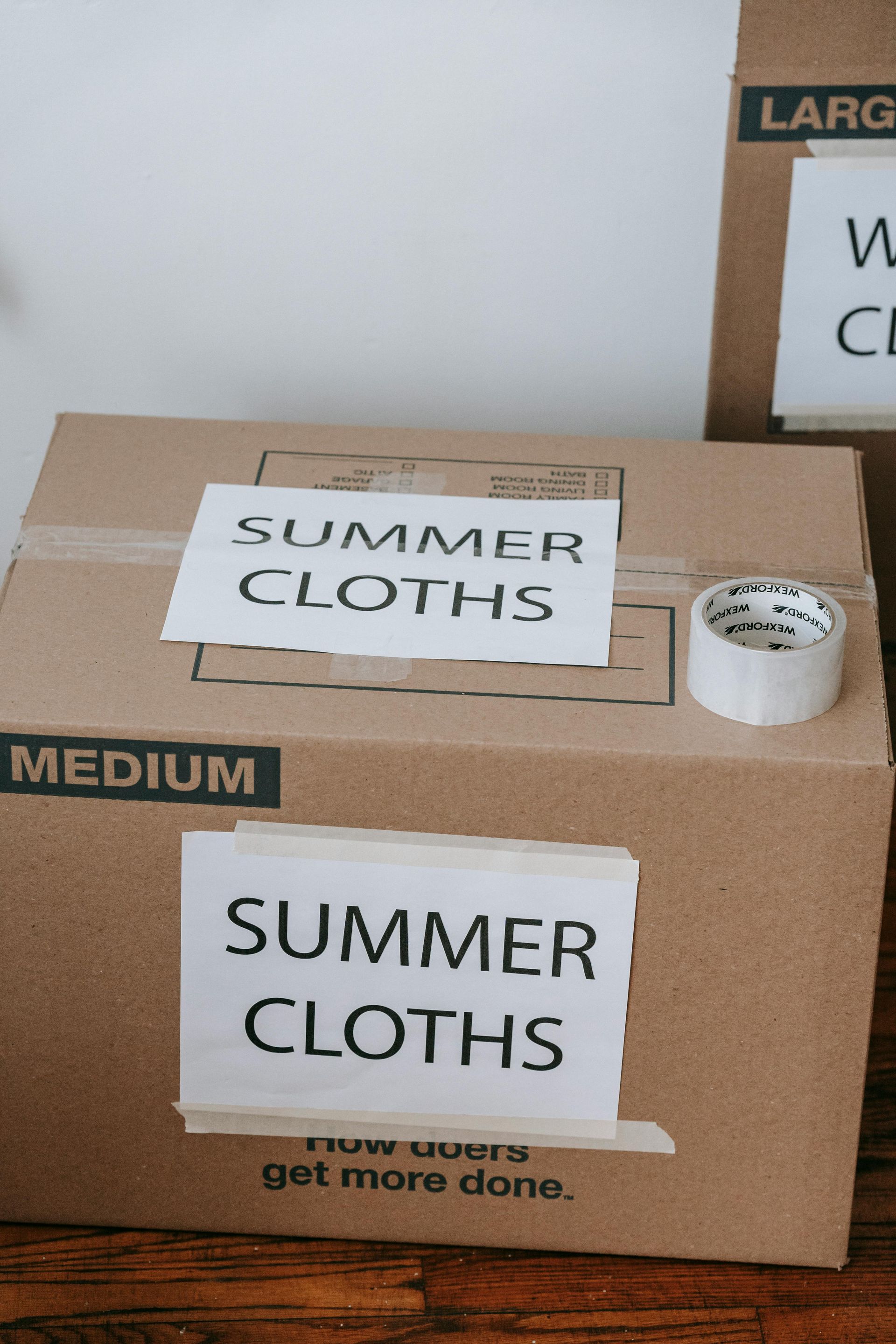
Label More Than One Side
Label boxes on at least two sides so you can read them after they are stacked. Include the room, general contents, and a fragile note when needed.
Wrap Fragile Items Separately
Dishes, glassware, lamps, and decor should be wrapped one piece at a time. Add padding to the top and bottom of each box so fragile items are not pressed directly against cardboard.
Protect Furniture Surfaces
Cover furniture with blankets, sheets, or furniture covers before placing it in storage. This helps reduce dust, scratches, and scuffs during moving and storage.
Take Apart Large Furniture
Remove table legs, bed frames, shelves, and other detachable parts when possible. Keep screws and hardware in a labeled bag taped to the furniture or stored in a clearly marked box.
Clean and Dry Appliances
Appliances should be cleaned and fully dry before storage. Leave doors slightly open once they are in place so air can circulate and odors do not get trapped inside.
How to Pack Your Storage Unit
Keep Important Items Near the Front
Place items you may need sooner near the front of the storage unit. Seasonal decor, tools, business supplies, and important boxes are easier to reach when they are not buried behind furniture.
Leave a Walkway
Create a small aisle through the unit if you plan to access your belongings. Even a narrow walkway can save time when you need to reach boxes stored toward the back.
Raise Boxes Off the Floor
Use shelving, pallets, or boards to keep boxes off the floor when possible. This creates better airflow and adds a layer of separation between your belongings and the concrete.
Stack Boxes Carefully
Place heavier boxes on the bottom and lighter boxes on top. Keep stacks stable and avoid piling boxes too high if they could lean or fall.
Store Mattresses Flat
Cover mattresses before placing them in storage and keep them flat on a level surface when possible. Standing a mattress on its side for too long can affect its shape.
Use Vertical Space Wisely
Tall furniture, shelving, and stacked boxes can help you use the height of the unit. Keep heavier items low and make sure anything stored upright is stable.
Keep an Inventory
A simple list on your phone can help you remember what is inside the unit. Add notes for important boxes or items stored toward the back so you can find them faster later.
What You Can't Put in Storage
Some items should never be placed in a storage unit because they can create safety, legal, pest, or damage concerns. Check with your facility team if you are unsure about a specific item before move-in.
Items that should not be stored include:
- Food or perishables
- Live animals or plants
- Firearms or ammunition
- Explosives or fireworks
- Gasoline, oil, propane, or other fuels
- Flammable liquids
- Toxic or hazardous materials
- Illegal drugs or drug paraphernalia
- Wet items that could grow mold or mildew
- Scented items that may attract pests
- Valuables that should stay in a bank safe or secure personal location
- Anything prohibited by law or facility rules


Ready to get started?
Let STOR-N-LOCK Make it Easy!