Moving to Fort Collins, Colorado: A Mountain Town with Big City Energy
Fort Collins sits at the base of the Rocky Mountains with a personality that splits the difference between college town energy and outdoor recreation obsession. It is the kind of place where you can bike to a brewery for lunch, hike a mountain trail after work, and still make it home before sunset. The city attracts people who want access to big mountain adventures without sacrificing walkable neighborhoods, quality coffee, and a job market that actually has openings. It is not trying to be Boulder, and it is not trying to be Denver, and that is exactly what keeps people moving here.
If you are considering a move, the smart approach is to look at the numbers first, then decide if the lifestyle fits your priorities. Fort Collins has grown steadily over the past decade, and with that growth comes rising costs, competitive housing, and all the usual challenges of a desirable mountain town. But for people who value outdoor access, a strong sense of community, and a city that still feels manageable, those trade-offs often make sense. The question is whether Fort Collins makes sense for you.
A Growing City That Still Feels Like a Community
Fort Collins is no longer the sleepy college town it once was. World Population Review reports the 2025 city population at 171,118, with the metro area projected at 368,000 for 2026. The city ranks as Colorado's fourth most populated, and it has been growing at a rate of 0.14% annually, with population increasing 0.82% since the 2020 census. That growth has slowed recently, with migration into the Fort Collins metro area running 26% lower in 2025 compared to pre-2020 levels, but the city is still attracting steady numbers of newcomers.
Who is moving here? The median age is 30.6 years, which makes sense given Colorado State University's presence and a job market that appeals to young professionals. But Fort Collins also attracts families looking for good schools, outdoor enthusiasts who want trail access without the Boulder price tag, and remote workers who can afford to prioritize lifestyle over proximity to a major metro. The median household income sits at $83,598, which is higher than the national average and reflects a well-educated workforce. Only 5.6% of Fort Collins families live in poverty, indicating a relatively stable economic base.
The growth has brought changes. Traffic has increased, housing costs have risen, and some longtime residents complain that the city is losing its small-town feel. But Fort Collins has managed to maintain its character better than many Colorado cities experiencing similar growth. Old Town still feels walkable and community-oriented, neighborhoods have personality, and you can still find parking downtown on a weeknight. It is getting busier, but it has not tipped into chaos yet.
What It Actually Costs to Live Here
Fort Collins is more expensive than the national average, and pretending otherwise will not help you budget. Salary.com reports a cost of living index of 127 for Fort Collins, marking it 27% higher than the national average. ERI's Economic Research Institute notes that living costs in Fort Collins are 20% higher than the U.S. national average, while Best Places gives Fort Collins a cost of living score of 115.7, meaning the total cost is 15.7% higher than the U.S. average. The variation in these numbers reflects different methodologies, but the takeaway is consistent: Fort Collins costs more than average, but less than Denver or Boulder.
For a single person, monthly living costs average $2,977, while a family of four can expect to spend around $6,556 per month. The primary cost drivers are housing, transportation, and food. Where you will feel the pinch most is housing. Best Places reports that the median home price in Fort Collins is 115.9% higher than the national average, while average monthly rent prices are 44.7% higher than average. If you are moving from a lower-cost area, these numbers will feel steep. If you are coming from California or the East Coast, they might feel manageable.
Sales tax is another line item worth knowing upfront. Avalara lists the combined 2026 sales tax rate for Fort Collins at 8.3%, made up of 2.9% Colorado state sales tax, 1.05% Larimer County sales tax, and 4.35% Fort Collins city tax. Fort Collins collects the maximum local sales tax allowed under Colorado law at 4.5%, though the city does not collect sales tax on most groceries, which helps with day-to-day costs. Compared to nearby cities, Fort Collins is in line with regional norms, but if you are moving from a state with no sales tax, this will adjust your purchasing calculations.
Housing: Competitive but Not Impossible
The Fort Collins housing market has cooled slightly from its pandemic peak, but it is still competitive. Zillow reports that median home prices have decreased by 3.5% year-over-year, standing at $545,000, while Redfin notes that in December 2025, Fort Collins home prices were up 5.4% compared to last year, selling for a median price of $555,000. The variation in these figures reflects different data collection periods and methodologies, but the general picture is clear: expect to pay between $545,000 and $565,000 for a median home in Fort Collins as of early 2026.
The good news is that the market has stabilized. Norada Real Estate forecasts that Fort Collins' median home price is holding steady at $565,000, with 3% annual appreciation expected through 2026. Homes are moving in 62 days, there is a moderate 3-month supply of inventory, and properties are selling for 98.2% of the asking price. Both buyers and sellers can expect stable, predictable market conditions through year-end with reasonable negotiating opportunities on both sides. This is a far cry from the bidding war frenzy of 2021 and 2022, which means buyers actually have time to think about their offers.
Renters face their own pricing reality. RentCafe reports that the average rent for an apartment in Fort Collins is $1,935 as of February 2026, a 1.13% decrease compared to the previous year. Apartment List lists the overall median rent in the city at $1,497 as of March 2026, though this figure likely reflects a different market segment. Breaking down rent by apartment size, RentCafe details that studio apartments cost $1,541, one-bedroom apartments are $1,627, two-bedroom units are $1,837, and three-bedroom apartments are $2,401. The largest share of rentals in Fort Collins, about 53%, fall between $1,501 and $2,000 per month. Check out our article on the cost of living in Fort Collins for a more comprehensive look.
If you are moving from out of state, you will likely need temporary housing while you search for a permanent place. This is where having flexible storage becomes practical. STOR-N-LOCK Self Storage on Joseph Allen Drive offers drive-up access and climate-controlled units that let you store furniture and belongings while you transition between homes, so you are not rushing into a housing decision just because your lease is up or your moving truck is on a deadline.
Weather: Sunshine, Snow, and the Reality of 5,000 Feet
The weather can be considered a pro or a con in Fort Collins depending on your personality type and what you like to do for fun. Fort Collins sits at about 5,000 feet elevation, which affects everything from how you feel when you first arrive to how your car handles winter mornings. The elevation means thinner air, stronger sun, and weather that can shift quickly. But for most people, the trade-off is worth it. Visit Fort Collins reports that Fort Collins experiences 300 days of sunshine per year, though Best Places lists 237 sunny days annually. Either way, you are getting significantly more sunshine than most U.S. cities, and that makes a difference in winter when the sun is out even when it is cold.
Summer temperatures are warm but not oppressive. Weather Spark notes that Fort Collins reaches its average highest temperatures in July, measuring 82.9°F, with temperatures typically ranging from 19°F to 87°F over the course of the year. Winters are cold, with December bringing the lowest temperatures and an average high of 36.1°F and an average low of 18.7°F. The summers are warm and mostly clear, while the winters are freezing, snowy, windy, and partly cloudy.
Snow is part of the deal. U.S. Climate Data reports that Fort Collins averages 48 inches of snow per year, with noticeable snowfall chances from December to April and March seeing the most at 3.27 inches. Snow here does not typically stick around for months like it does in the high mountains. A storm will drop a few inches, the sun will come out, and within a few days the roads are clear again. This is not Minneapolis. But you will need a snow shovel, and you will want to know how to drive in winter conditions.
The Outdoor Lifestyle Is Real
If you are not interested in outdoor recreation, Fort Collins might not be your city. The outdoor culture here is not a marketing gimmick, it is what people actually do on weekends, after work, and sometimes during lunch breaks. Visit Fort Collins notes that the city has 285-plus miles of trails and has been named a platinum level bike-friendly city. TrailLink reports that there are more than 54 trails covering 439 miles in the area, supporting mountain biking, e-biking, gravel biking, adaptive biking, horseback riding, hiking, trail running, dirt biking, and Nordic skiing.
The trail system is one of Fort Collins' biggest selling points. You can cruise the Spring Creek Trail alongside the Poudre River, or head five miles west to Lory State Park or Horsetooth Mountain Open Space for mountain biking trails that range from beginner-friendly to genuinely challenging. The longest trail in Fort Collins is the Poudre River Trail at 21.5 miles. Recycled Cycles offers step-through city bike rentals for $30 per day with no reservations required, and Fort Collins has an e-bike and e-scooter share program called Spin that you can access through an app.
This lifestyle creates its own storage needs. Between bikes, skis, snowboards, camping gear, kayaks, climbing equipment, and seasonal outdoor gear, your garage or storage unit will fill up fast. Many Fort Collins residents rely on storage facilities to rotate seasonal equipment and keep their living spaces functional. STOR-N-LOCK Self Storage offers climate-controlled units that protect bikes and gear from temperature swings, along with vehicle parking for RVs, trailers, and boats that do not fit in a standard driveway.
Craft Beer, Old Town, and the Culture Scene
Fort Collins has been called "the Napa Valley of beers" and a "Mecca of Breweries," with over 20 craft breweries in town. Many of those breweries are located right in Old Town Fort Collins, which serves as the cultural and social heart of the city. Downtown Fort Collins describes the neighborhood as a place where history meets hops and happy patios, with CooperSmith's operating as Fort Collins' first brewpub since 1989, Odell Brewing Company crafting beloved brews since 1989, and Hello Brewing Company operating out of a cozy 1904 bungalow-turned-brewery in the River District.
The Mayor of Old Town, voted one of the best beer bars in the country, features 100 beers on tap and is a destination for craft beer enthusiasts from across Colorado. But the beer scene is not just about drinking. It is about community. Brewery taprooms function as neighborhood gathering spots where people bring their dogs, meet friends, and catch up on local news. If you are new to town, a brewery is often the easiest way to meet people.
Old Town itself is worth understanding if you are considering Fort Collins. Old Town Square, voted #4 Best Public Square in the Nation by USA Today's 10Best Readers' Choice Awards, is the heart of Downtown Fort Collins and pulses with history, culture, and creativity. With a Walk Score of 94, Old Town Fort Collins is one of Colorado's most pedestrian-friendly neighborhoods where residents can walk or bike to over 100 restaurants, dozens of shops, breweries, coffee shops, and essential services. The neighborhood also hosts the Lincoln Center, which provides year-round theater, music, and arts programming just blocks from residential areas.
Transportation: A Bike Town with a Free Bus System
Fort Collins is designed for biking, and the city takes that identity seriously. The 285-plus miles of trails are not just for recreation, they are also practical transportation routes. Many residents bike to work, to the grocery store, and to social events, which is possible because the city has invested in bike lanes and trail connections. If you are moving here without a car, it is doable in certain neighborhoods, particularly Old Town and areas near CSU.
For those who do not bike, Fort Collins offers Transfort, the city's public transportation system. Transfort operates 22 regular routes, with 20 of them providing all-day service Monday through Friday. The best part? Riding Transfort is currently fare-free. Fixed Route operates Monday through Saturday from 5:30 AM to 7:30 PM, and Dial-a-Ride operates Monday through Saturday from 6 AM to 11 PM. The Mason Corridor Express (MAX) BRT, which opened in May 2014, runs along the Mason Corridor to connect major activity and employment centers including Midtown, CSU, and Downtown.
For regional connections, six-day intercity service is provided by the FLEX to Loveland, Berthoud, and Longmont. If you need to get to Denver, it is about a 65-mile drive that typically takes an hour to an hour and a half depending on traffic. Many Fort Collins residents commute to Denver occasionally for work or events, but doing it daily gets old fast. Fort Collins works best if your job is local or remote.
Schools and the CSU Presence
If you have kids, schools will be a priority, and Fort Collins delivers solid options. Poudre School District (R-1) is a preK-12 public school district that operates and manages the public schools in Fort Collins, as well as in the towns of Wellington, Timnath, parts of Loveland and Windsor, and unincorporated areas of Larimer County. The district manages 31 elementary schools, eight middle schools, four comprehensive high schools, two middle-high schools, two K-12 schools, two alternative high schools, and a Career Tech Center.
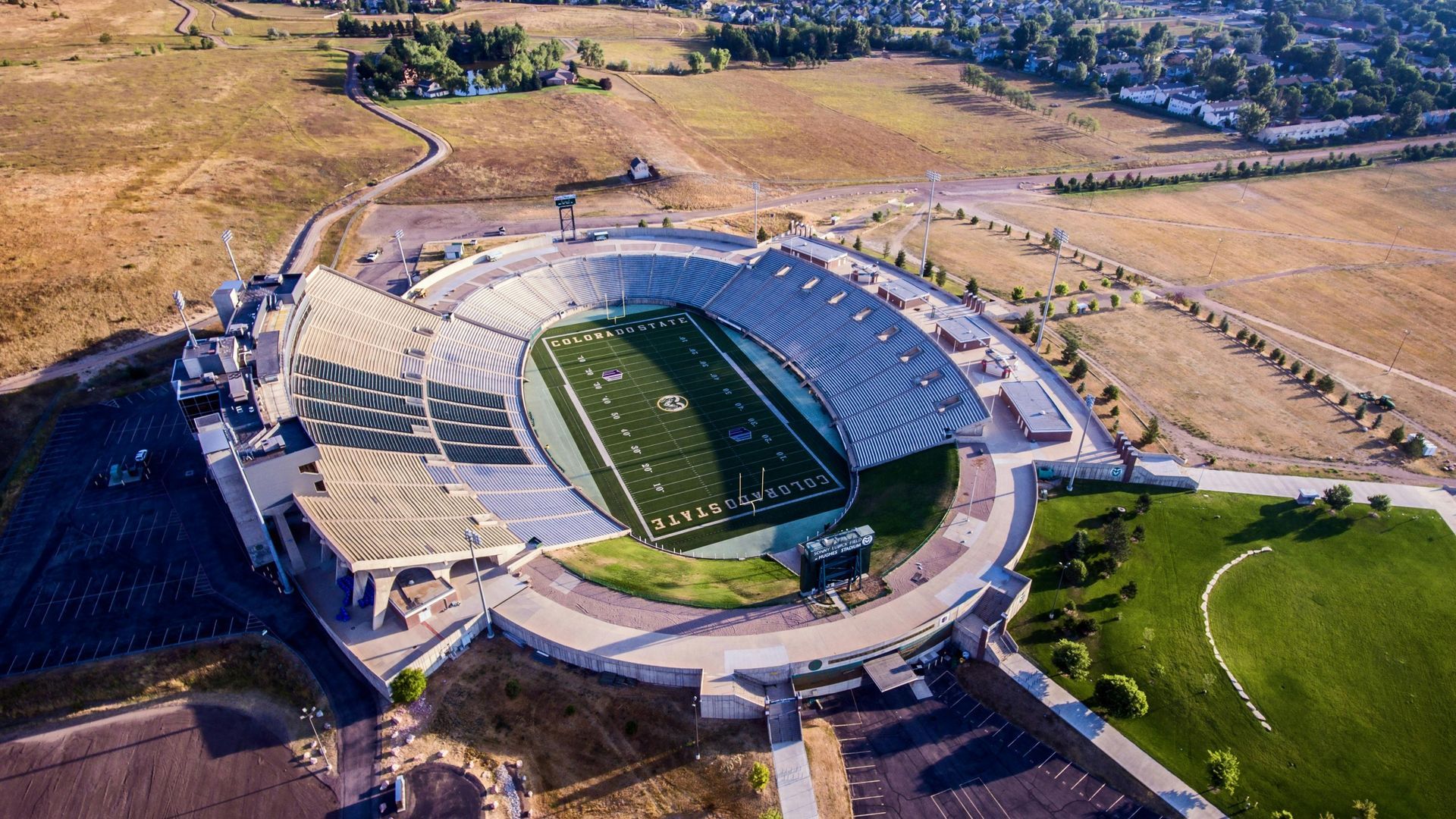
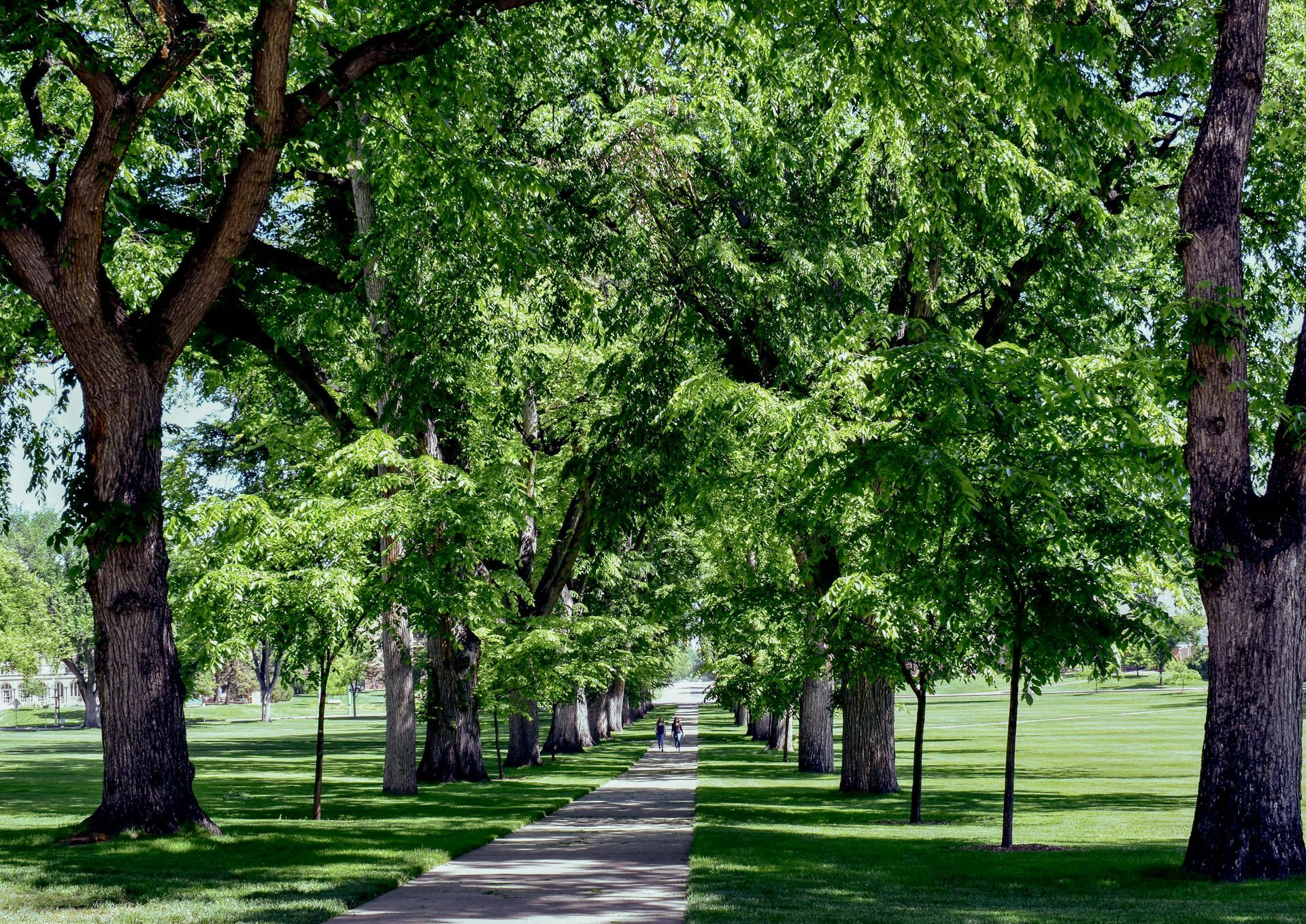
Colorado State University is a defining feature of Fort Collins. With a major research university in town, the city benefits from cultural events, sporting events, continuing education opportunities, and a steady influx of young professionals who stick around after graduation. CSU partners with Poudre School District on various initiatives, including mental health programs and concurrent enrollment opportunities for high school students. The university presence also shapes the rental market, particularly near campus, where student housing drives demand and pricing.
Jobs and the Local Economy
Fort Collins has a well-balanced economy that mixes manufacturing, tech, education, and service industries. City-Data notes that major employers include Hewlett Packard, WaterPik, Woodward, In-Situ, and Anheuser-Busch. A variety of high-tech companies have relocated to Fort Collins because of the resources of Colorado State University and its research facilities. The city has been experiencing low unemployment rates and a steady increase in household incomes, which has increased purchasing power and further stimulated the local economy.
According to the Bureau of Labor Statistics, occupational groups with the highest employment in the Fort Collins area include office and administrative support (10.8 percent), food preparation and serving related (10.3 percent), and sales and related (10.2 percent). ZipRecruiter reports that the average salary in Fort Collins is $55,251 per year, with at least 10 types of jobs in the area paying more than that local average.
The job market is competitive but not impossible. If you are in tech, healthcare, education, or skilled trades, you will likely find opportunities. If you work remotely, Fort Collins is an appealing base with good internet infrastructure and a lifestyle that rewards having flexible work hours. What you will not find here is the explosive job growth of Denver or Austin. Fort Collins grows steadily, not explosively, and that is reflected in the job market.
What It Costs to Move Here
Moving costs vary wildly depending on distance, home size, and whether you hire professionals or DIY it. Good Migrations reports that local moves in Colorado range from $500 to $1,461, while long-distance relocations start around $2,454 to $5,735. More specifically, Move Advisor notes that the average cost to hire long-distance moving companies in Denver, Colorado (which provides a useful proxy for Fort Collins) is $2,428 to $5,067 for a one-bedroom and $4,324 to $7,076 for a four-bedroom for a distance of 1,000 miles.
Local moving costs in Denver typically range from $423 to $3,943, with an average hourly rate of $120. For shorter long-distance moves within Colorado, a move spanning 100 to 250 miles usually falls between $249 and $2,139, whereas cross-country moves can range from $2,076 to as high as $7,505. The key cost factors are home size, distance, and services. If you pack yourself and rent a truck, you will save money but spend a lot of time and energy. If you hire full-service movers, you will pay more but reduce the stress significantly.
Should You Move to Fort Collins?
Fort Collins works for people who want a lifestyle built around outdoor access, community engagement, and a pace that still feels manageable. If you love biking, hiking, craft beer, and a city where you can actually walk places, Fort Collins delivers. Yes, it is more expensive than it used to be. Yes, the housing market is competitive. Yes, winters require a snow shovel and some altitude adjustment. But for many people, those are small prices to pay for a city that balances quality of life with economic opportunity and still has enough personality to feel distinct.
Fort Collins does not work for everyone. If you need a major metro with endless cultural options, nonstop nightlife, and a job market that spans every industry, Denver is an hour south. If you want a cheaper cost of living and do not care about outdoor recreation, there are plenty of other Colorado cities that will save you money. But if your priorities include trail access, a strong sense of community, good schools, and a city that has not completely lost its character to growth, Fort Collins is worth serious consideration.
The people who thrive here are the ones who use the trails, who show up at community events, who bike to breweries, and who appreciate a city that still feels like a place where neighbors know each other. Fort Collins is not trying to be everything to everyone, and that clarity of identity is part of what makes it work.
If you are ready to make the move, know that you will accumulate gear. Bikes, skis, camping equipment, kayaks, and all the other tools of the Fort Collins lifestyle take up space, and most homes do not have unlimited storage. That is where STOR-N-LOCK Self Storage at 2103 Joseph Allen Drive makes the transition easier. With drive-up storage, climate-controlled units, and vehicle parking, the facility offers a practical solution for storing seasonal gear, protecting furniture during a move, or simply reclaiming your garage so you can actually park your car. Access hours run from 6:00 AM to 10:00 PM Monday through Sunday, so you can drop off or pick up belongings on your own schedule.