The Pros and Cons of Living in Fort Collins, Colorado
Fort Collins sits at the base of the Rocky Mountains, where outdoor adventures meet craft beer culture and college town energy. The city pulls in newcomers drawn by its sunny weather, thriving job market, and access to some of Colorado's best hiking and biking trails. This city of just over 171,000 residents blends the resources of a growing metro with the friendly vibe of a mountain community.
Life here rewards people who love being outside, but challenges those who expect big-city transit or affordable housing. Some thrive in the altitude and embrace four distinct seasons, while others struggle to adjust to thin air and unpredictable spring snowstorms. The college town atmosphere brings energy, yet the rapid growth over the past decade has reshaped neighborhoods and strained infrastructure. Here's what you need to know before moving to Fort Collins.
You’re getting more serious about moving here, make sure to consider the cost of living in Fort Collins as well.
Pros of Living in Fort Collins
1. Outdoor Recreation Is a Way of Life
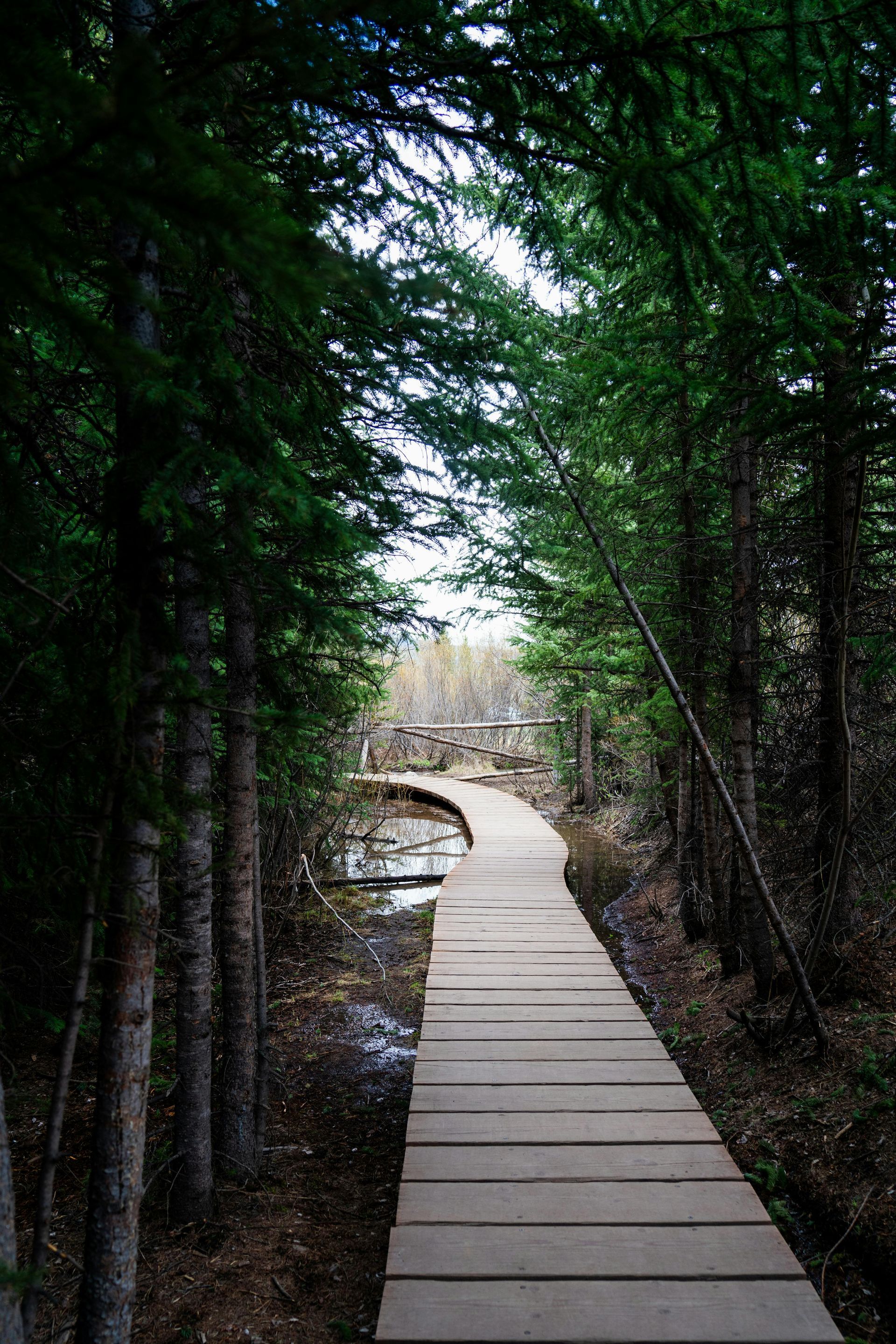
Living in Fort Collins means having Horsetooth Reservoir practically in your backyard. This massive body of water sits just minutes west of town, surrounded by 29 miles of hiking trails packed into Horsetooth Mountain Open Space. Trails range from moderate lakeside walks to steep climbs that reward you with sweeping views of the reservoir and the plains stretching east. Mountain bikers love the technical single-track, and trail runners can lose themselves for hours on routes like the 9.6-mile Foothills Trail, which skirts the eastern edge of the reservoir.
Water activities dominate summer weekends. Kayakers, paddleboarders, and boaters share the reservoir, while Lory State Park next door offers 28 miles of trails for hiking and horseback riding. The climate supports year-round outdoor activity, and residents take full advantage. You will see cyclists commuting to work in February, hikers hitting trails at sunrise in July to beat the heat, and families picnicking along the water in October. The outdoors are not a weekend hobby here, they are woven into daily life.
2. Craft Beer Capital Lives Up to the Hype
Fort Collins earned its title as Colorado's craft beer capital with good reason. The city hosts 26 breweries, including iconic names like New Belgium and Odell Brewing Company. New Belgium's Fat Tire and Voodoo Ranger became household names across the country, while Odell's 90 Shilling remains a local favorite. Breweries here do not just serve beer, they create community hubs where neighbors gather for live music, food trucks, and events like the annual Tour de Fat bicycle parade.
The beer culture runs deep. Local brewers experiment with bold flavors and unconventional methods, pushing boundaries while respecting tradition. Access to clean Rocky Mountain water gives Fort Collins beer a distinct taste that brewers proudly highlight. Brewery patios fill up on sunny afternoons, tasting rooms buzz on weekday evenings, and collaboration brews between local competitors happen regularly. For beer lovers, this city offers endless exploration without ever feeling pretentious or exclusive.
3. Sunshine Defines the Climate
Fort Collins delivers 300 days of sunshine per year, making gray skies a rarity. Summers stay warm without becoming oppressive, with temperatures typically topping out around 87°F. The dry climate means you can sit outside on patios from May through September without battling humidity or sweltering heat. Mornings start cool enough for coffee on the deck, afternoons warm up for bike rides or hikes, and evenings cool down fast once the sun sets.
Winter brings cold and snow, but the sun still shines most days. Temperatures dip to around 19°F in February, and the city averages 48 inches of snow annually. Snow melts quickly under that reliable sunshine, though. A February snowstorm can dump six inches overnight, and by the next afternoon, roads are clear and sidewalks are dry. The consistent sunshine keeps seasonal depression at bay and makes outdoor activities accessible year-round, even in the depths of winter.
4. Jobs and Economic Growth Keep Pace
Fort Collins benefits from a diverse economy anchored by major employers like Hewlett Packard, Woodward, and Anheuser-Busch. The presence of Colorado State University attracts high-tech companies and research firms, creating opportunities beyond traditional industries. Colorado's job market is projected to grow by 0.6% in 2026, adding roughly 17,500 jobs statewide, with sectors like education, health services, and trade leading the way. The unemployment rate is expected to drop to 4.1% in 2026, signaling a healthy labor market.
Colorado State University itself enrolled 34,412 students in Fall 2025, an all-time high. The university drives innovation and entrepreneurship, creating spin-off companies and drawing talent to the region. Students graduate and often stay, contributing to a young, educated workforce. The combination of stable employers, university resources, and a growing startup scene gives job seekers options across multiple industries. Remote workers relocating from expensive coastal cities find Fort Collins offers solid infrastructure, fast internet, and a lifestyle that supports work-life balance.
5. College Town Energy With Mountain Town Soul
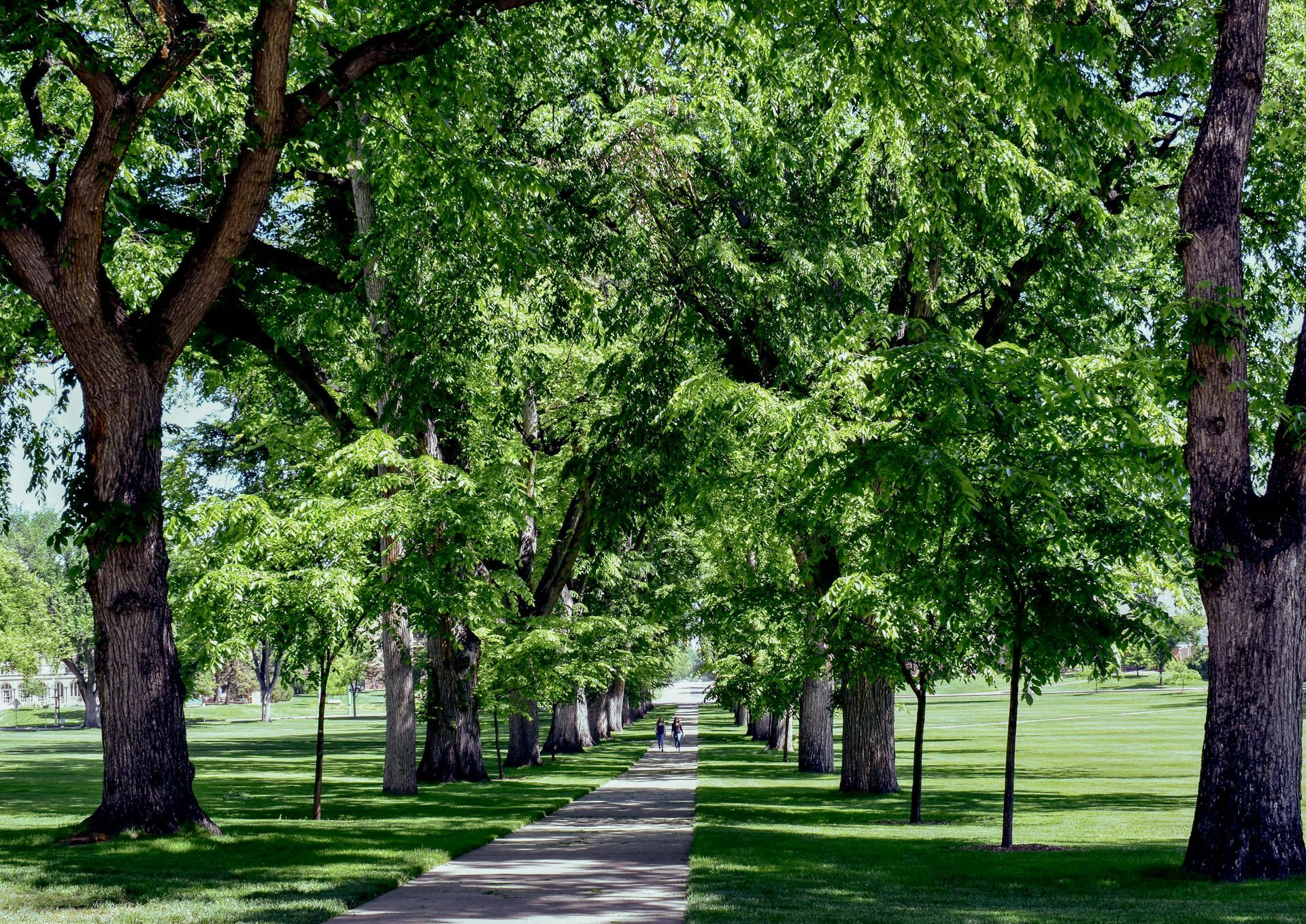
Fort Collins blends the vitality of a college town with the friendliness of a mountain community. CSU's 34,000-plus students inject energy into the city, filling breweries, coffee shops, and music venues. Old Town features a walkable downtown with local shops, restaurants, and a farmers market that draws crowds on summer weekends. Festivals happen regularly, from beer celebrations to cycling events, and residents show up to support local businesses and each other.
The community feels approachable and welcoming. Newcomers find it easy to strike up conversations at trailheads, brewery patios, or neighborhood parks. Volunteer opportunities abound, and civic engagement runs high. Despite rapid growth, Fort Collins has held onto a small-town feel where people recognize their neighbors and local business owners remember your name. The mix of students, young professionals, families, and outdoor enthusiasts creates a dynamic, active culture that rewards people who want to participate and connect.
Cons of Living in Fort Collins
1. Housing Prices Keep Climbing
Fort Collins home prices jumped 5.4% in 2025, with the median price hitting $555,000. Other sources put the median home value at $578,680. Either way, homeownership here costs significantly more than the national average. The overall cost of living runs 20% higher than the U.S. average, driven largely by housing expenses. Renters face similar pressure, with average rent at $1,935 per month, though prices have dipped slightly from previous highs.
The market has cooled from the pandemic frenzy, with homes now selling in around 71 days instead of disappearing in bidding wars. Buyers have more negotiating power than they did two years ago, but affordability remains a challenge for first-time buyers and middle-income families. Inventory has improved, yet demand still outpaces supply. The combination of high home prices, rising property taxes, and costly homeowners insurance means monthly housing costs can shock newcomers who assume Colorado living will be cheaper than coastal metros.
2. Altitude Takes Time to Adjust To
Fort Collins sits at 5,003 feet above sea level, just above the threshold where altitude sickness becomes common. Research suggests up to 10% of visitors experience symptoms, which include headaches, fatigue, difficulty breathing, and trouble sleeping. Many people feel like they have a hangover for the first few days or weeks. Going for a jog feels harder than it should, and climbing stairs leaves you winded. Sleep can be restless as your body adjusts to lower oxygen levels.
Dehydration compounds the problem. The Wilderness Medical Society estimates you lose water twice as fast at high altitudes due to increased respiration. Drinking plenty of water helps, but the adjustment period can last weeks or even months for some people. Once you acclimate, you will feel stronger and more energized, but that initial period can be frustrating. Visitors from sea level cities often underestimate how much the altitude will affect them, only to spend their first weekend in Fort Collins feeling exhausted and headachy instead of hitting the trails.
3. Winter Weather Likes to Keep You Guessing
Fort Collins winters bring 48 inches of snow annually, spread unevenly across unpredictable storms. February temperatures drop to around 19°F, and spring blizzards can dump heavy snow in April or even May. One day you are hiking in a t-shirt, the next day you are scraping ice off your windshield. The variability makes planning tricky, especially for newcomers who have not yet learned to read Colorado's weather patterns.
The sun melts snow quickly, which means streets clear fast but create slushy, muddy conditions. Ice forms overnight and lingers in shaded spots, making morning commutes hazardous. Afternoon thunderstorms in summer can turn violent, bringing hail that dents cars and batters gardens. The weather keeps life interesting, but it also demands flexibility and preparation. You will learn to carry layers, check forecasts obsessively, and never trust a sunny morning to stay that way through the afternoon.
4. Public Transit Has Limits
Fort Collins offers Transfort, a free public bus system with over 20 fixed routes, including the MAX Bus Rapid Transit along the Mason Corridor. Free transit is rare and genuinely helpful for students and residents living near major routes. The problem is that coverage remains limited compared to big cities. If you live outside central neighborhoods or work in areas far from bus lines, you will need a car. Commuting to Denver or other Front Range cities requires driving or using services like Bustang, which runs during peak hours but does not offer the flexibility of frequent train or metro service.
Fort Collins is working on future transit improvements, including exploring another MAX BRT route on North College Avenue. Regional transit changes in 2026 have restructured connections between Fort Collins and Loveland, aiming to improve service. Still, this remains a car-dependent city. Biking works well for short trips in good weather, but winter snow and sprawling development make cars essential for most residents. If you are moving from a city with robust public transit, prepare to drive more than you are used to.
5. Growth Pains Are Real
Fort Collins has grown rapidly, with the metro area reaching 363,000 residents in 2025, up from much smaller numbers a decade ago. While overall city growth has slowed to 0.14% annually, the cumulative effect of years of expansion shows. Traffic along major corridors like College Avenue and Harmony Road gets congested during rush hour. New housing developments fill in open spaces, changing the character of neighborhoods that used to feel more rural. Long-time residents sometimes grumble about losing the small-town feel they loved.
Infrastructure struggles to keep up. Schools face crowding, and city services get stretched. Popular trails and parks see heavier use, making it harder to find solitude on weekends. The charm that attracted people to Fort Collins is still here, but you have to share it with more people than ever before. For some, the growth brings welcome amenities like better restaurants and more job opportunities. For others, it feels like the city is losing its identity to transplants and development. Either way, Fort Collins is not the quiet mountain town it was 20 years ago.
So Should You Move to Fort Collins?
If you love sunshine, outdoor recreation, and craft beer culture, Fort Collins delivers on all fronts. The city offers a thriving job market, a welcoming community, and year-round access to trails and mountains. Yes, housing costs are high, and the altitude takes adjustment. Winter weather will surprise you, and you will need a car to get around. Many residents find those trade-offs acceptable for the lifestyle Fort Collins offers.
The truth is, Fort Collins wins people over. Even on a cold February morning when a late-season snowstorm disrupts your commute, you will look west at the Rockies glowing in the sunrise and remember why you came. This city rewards active people who embrace change and value community over convenience.
Moving to Fort Collins, Colorado
If you are preparing to move, having a reliable self storage facility in Fort Collins, can ease the transition. STOR-N-LOCK Self Storage at 2103 Joseph Allen Dr provides secure, climate-controlled units designed to protect furniture, electronics, and belongings from Colorado's temperature swings and low humidity. The facility also features drive-up storage for easy loading and unloading, plus vehicle parking for boats, RVs, and trailers. Access hours run Monday through Sunday from 6:00 AM to 10:00 PM, giving you flexibility to move in on your schedule. For people relocating to Fort Collins who need dependable, well-maintained storage close to major roads and neighborhoods, STOR-N-LOCK offers a practical choice with convenient access.