Climate-Controlled Storage for Thornton, CO Winters
Winter storage in Thornton involves more than keeping snow off your belongings. Cold temperatures and changing conditions can matter when furniture, electronics, photographs, documents, and other sensitive materials remain packed away for months.
Thornton's own winter infrastructure reflects those conditions. The city maintains snow and ice removal operations across more than 1,300 miles of roadway and specifically addresses refreezing after snow events. For belongings that are better suited to an indoor, steadier environment, our Pennsylvania Street facility offers climate-controlled units. People comparing storage options in Thornton can choose climate control along with several other unit types based on what they plan to store.
Thornton winters include freezing conditions
The City of Thornton's building criteria specify a winter design temperature of 1 degree Fahrenheit and a frost line depth of 30 inches. Those figures are intended for construction rather than predicting a particular winter, but they show why cold-weather planning is a normal part of living and building here. Snow creates another local issue. Thornton citizens note that melting snow can flow into shaded areas and refreeze after major snow events. For storage renters, the practical point is simple. Belongings placed in storage for the winter may remain there through repeated cold periods, so temperature-sensitive materials deserve more thought than durable garage equipment.
What climate control changes
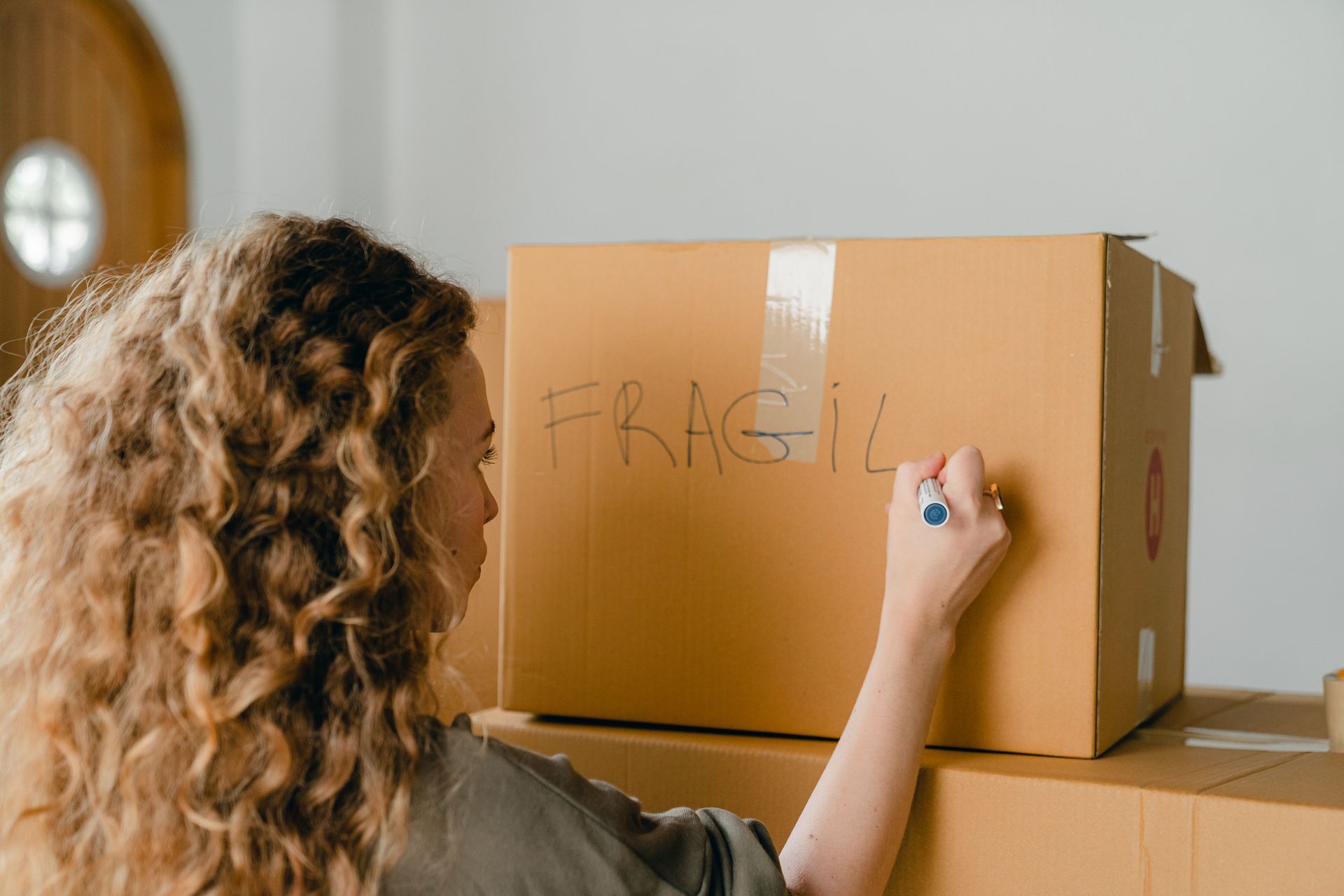
Our Thornton climate-controlled units are designed to maintain a more stable environment for belongings sensitive to heat, cold, and humidity. That makes them relevant for furniture, electronics, antiques, musical instruments, photographs, and similar belongings. The value of climate control increases when items will remain stored through an entire season rather than for a brief move. Climate control does not make preparation unnecessary. Everything should enter the unit clean and dry; fragile belongings still need suitable packaging, and boxes must be stacked safely.
Furniture and winter storage
Wooden furniture deserves careful preparation before long-term storage. Clean the piece first, make sure it is dry, and remove detachable components when doing so makes the item safer to move. Avoid stacking heavy boxes directly on furniture. Covers can keep dust off surfaces, but the material you use should be appropriate for the piece rather than trapping moisture against it. Upholstered furniture needs the same clean-and-dry rule. Our guide to storing a sofa in a storage unit provides a more detailed preparation process for couches and other large upholstered pieces.
Electronics, photographs, and documents
Electronics are another good reason to look at climate-controlled space. Computers, televisions, audio equipment, and other devices are better candidates for a consistent indoor environment than a unit that experiences greater seasonal temperature changes. Back up important data before storing computers or drives. Remove batteries where appropriate, label cables, and protect screens from pressure during stacking. Photographs and documents need careful packing for a different reason: replacement may be impossible. Keep them dry, use sturdy containers, and store important records where they won't be crushed underneath heavier belongings.
Musical instruments and other sensitive items
Thornton's facility page specifically identifies musical instruments and antiques among the belongings suited to climate-controlled storage. These items can combine delicate materials, finishes, adhesives, wood, or other components that make storage conditions worth considering. Preparation still depends on the particular item. Follow the manufacturer's storage instructions when they are available, especially for instruments or specialized equipment. Avoid inventing a universal storage rule for every valuable object. An antique wooden cabinet, a framed photograph, and an electronic keyboard may all benefit from climate control, but they still require different packing methods.
Not every winter item needs climate control
Choosing climate control should be deliberate rather than automatic. Durable belongings that already spend the year in an unconditioned garage may not require the same environment as electronics or photographs. Some outdoor equipment and tools are designed for much broader temperature ranges, though manufacturer instructions should take priority when available.
Boats require a different kind of winter preparation. If you are dealing with one, our guide to storing a boat outside during a Colorado winter addresses winterization and outdoor storage separately. Think about storage duration as well. An item staying put for months experiences more seasonal change than something held temporarily during a short move.
Our Thornton facility
Our property is at 12298 Pennsylvania Street in Thornton. Climate-controlled storage is available alongside indoor, ground-level, and drive-up options. We also offer automobile and motorcycle storage and spaces for business or commercial use. Gate access runs from 6 a.m. to 10 p.m. every day. That makes it possible to retrieve belongings throughout the week rather than limiting visits to office hours. For a winter move, choosing the unit type before packing saves trouble later. Separate temperature-sensitive belongings from durable items first. You can then decide whether one climate-controlled space fits the entire load or whether your storage plan needs to be organized differently.
Store according to what the item needs
Thornton winters give renters a good reason to think about the environment around sensitive belongings. Climate-controlled storage is especially relevant for electronics, photographs, important documents, furniture, antiques, musical instruments, and other materials that you would rather not leave exposed to greater seasonal temperature changes. Our Pennsylvania Street property gives you both climate-controlled and other unit options, so the decision can follow what you are actually storing. You can
explore
storage options from STOR-N-LOCK and compare current availability before packing for winter.